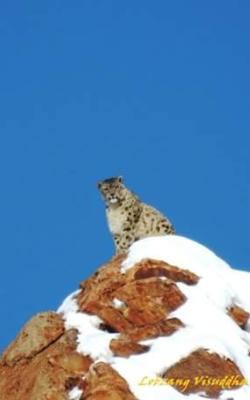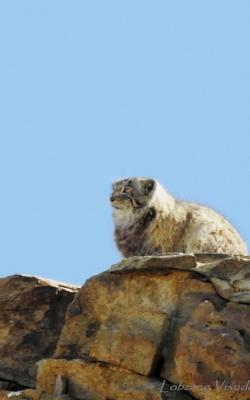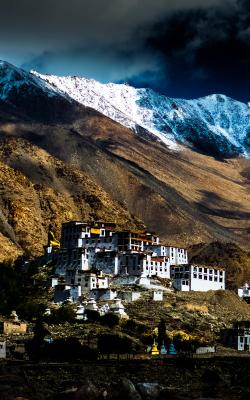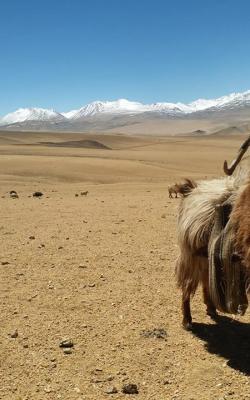
All across the country are wildlife sanctuaries whose areas extend over several thousands of square kilometres, where wildlife can be observed in their natural surroundings. Each sanctuary supports several species of wildlife, while, as the same time, being well known for one particular species. In some cases, these are rare or even endangered species.


Thus, the GIR FOREST in Gujarat is the only surviving home of the Asiatic lion. Manas and Kaziranga in Assam have a significant population of the one-horned rhino, Periyar in Kerala is best known for wild elephant viewing. Thamin deer at KEIBUL LAMJAO NATIONAL PARK in Manipur, Hangul or Kashmir stag at DACHIGAM, Srinagar, and blackbuck at VELAVADHAR in Gujarat are the only homes of these species.

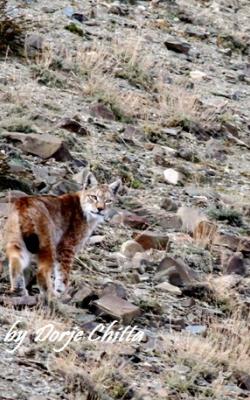
Project Tiger, initiated in 1973, identified major areas inhabited by tigers. These became areas protected by the project, enabling a significant increase of the tiger population. BANDHAVGARH and KANHA sanctuaries in Madhya Pradesh; SARISKA and RANTHAMBORE in Rajasthan and CORBETT PARK and DUDHWA in Uttar Pradesh are some of the country’s best-known tiger reserves. Other species at these places include panthers, and several species of deer and antelope, the commonest of which are axis deer and the blue bull of the Nilgai.

BHARATPUR, a three-hour drive from Delhi, has the largest bird sanctuary in Asia. Waterbirds that migrate from other parts of the country include herons, ibis, pelicans, painted storks, spoonbills, egrets and open-billed storks. Various species of ducks and geese migrate from places in Russia. These include Brahminy ducks and the endangered Siberian crane. Stretched over 29 sq km of swamps and marshes, BHARATPUR has causeways, which can be negotiated on foot, or bicycle. The best time for a visit is from October to March when the weather is relatively pleasant and when the sanctuary teems with birdlife. July-August is the breeding season for the resident species.


October to March is the most pleasant time to visit any sanctuary in the country, with the exception of DACHIGAM in Kashmir, which is best visited during summer. However, the chances of spotting wildlife are better from March to June when the weather is hot, and the sun dries the dense foliage which otherwise provides effective cover for the animals.
All wildlife sanctuaries are accessible by car, and all have accommodation within or near them.

Rules and regulations for wildlife sanctuaries are no more than those dictated by common sense; wear clothes that blend rather than stand out in the forest; perfumes and cigarettes should be avoided for animals have an extremely keen sense of smell. Potentially dangerous animals should not be approached on foot.
For the serious photographer, many sanctuaries have hides near frequently used water holes. Lenses having a focal length of less than 300 mm have little use, 600-1200 mm lenses being most useful. High speed (at least 400 ASA) film comes in handy when the sanctuary has dense foliage.


  For detail itineraries and bookings please contact
 
©COPYRIGHT 2005. ALL RIGHTS RESERVED. ANCIENT TRACKS.